
Ryan Jones
goodlync
Winston-Salem, North Carolina

Ryan Jones believes that talent and innovation should not be limited by geography. Through his work as founder of goodlync, he is building a digital ecosystem designed to help entrepreneurs in underserved regions connect with the mentors, investors, collaborators, and resources they need to thrive. Drawing on years of experience in community and economic development, Ryan created goodlync to address one of the biggest barriers facing founders in rural communities: isolation. By bringing entrepreneurial support organizations, founders, and investors into one unified network, he hopes to ensure that entrepreneurs in Appalachia and beyond can “find each other, access resources, and never have to build in isolation again.”
About Ryan
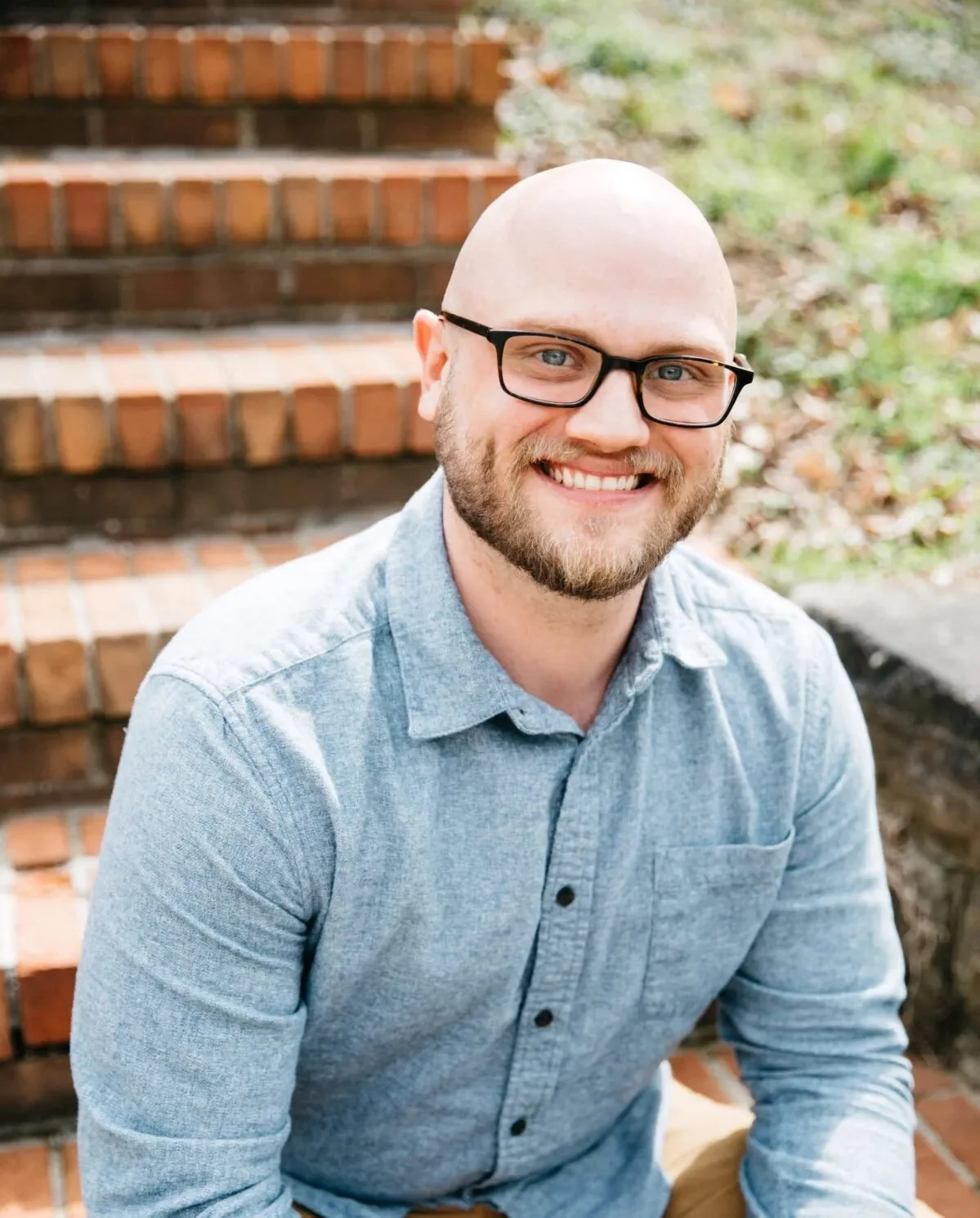
Ryan Jones
Ryan Jones is an entrepreneur, marketer, and media specialist with more than a decade of experience spanning business development, marketing, and operations. He is the founder of Do Good Brands, a nonprofit-focused marketing and consulting agency, co-owner of Lincoln Road Roastery, and manages digital communications at First Baptist on Fifth in Winston-Salem, North Carolina. A self-described “builder at heart,” Ryan is passionate about helping entrepreneurs and mission-driven organizations grow and flourish. He lives in Winston-Salem with his wife Kelly and their son Felix.
Building Connection Through goodlync
Ryan’s vision for goodlync emerged from years spent working alongside entrepreneurs in rural Appalachia, where he saw firsthand how difficult it could be for founders to access funding, mentorship, and meaningful business networks. “The current entrepreneurial ecosystem operates on an unjust foundation,” he explains. “Access to capital, mentorship, and opportunity is determined by geography and network privilege, not merit or potential.”
That realization shaped the foundation of goodlync, a platform that connects founders, investors, mentors, and entrepreneurial support organizations into a shared digital ecosystem. The platform allows incubators, accelerators, and universities to host white-label communities, manage events, and track founder progress through analytics dashboards. At the same time, founders can participate in workshops, complete challenges, access services, connect with peers, and gain visibility beyond their immediate region.
Ryan traces the idea for goodlync back to an entrepreneurship conference he launched in Southwest Virginia in 2022. The event created powerful momentum among attendees through a networking platform that encouraged people to connect before and during the conference. But once the event ended, those relationships quickly dissolved because of the loss of the networking platform.
“That event is honestly what inspired goodlync,” Ryan says. “The momentum was incredible. But the moment we couldn’t use the platform anymore, those connections just disappeared. All of that energy and relationship-building went away overnight.”
goodlync was created as a response to that loss of connection. Rather than limiting entrepreneurial support to temporary events or local ecosystems, the platform is designed to sustain relationships long term and create opportunities for collaboration across regions. Built-in peer support systems also address founder isolation and mental health, helping reduce burnout while fostering stronger entrepreneurial communities.
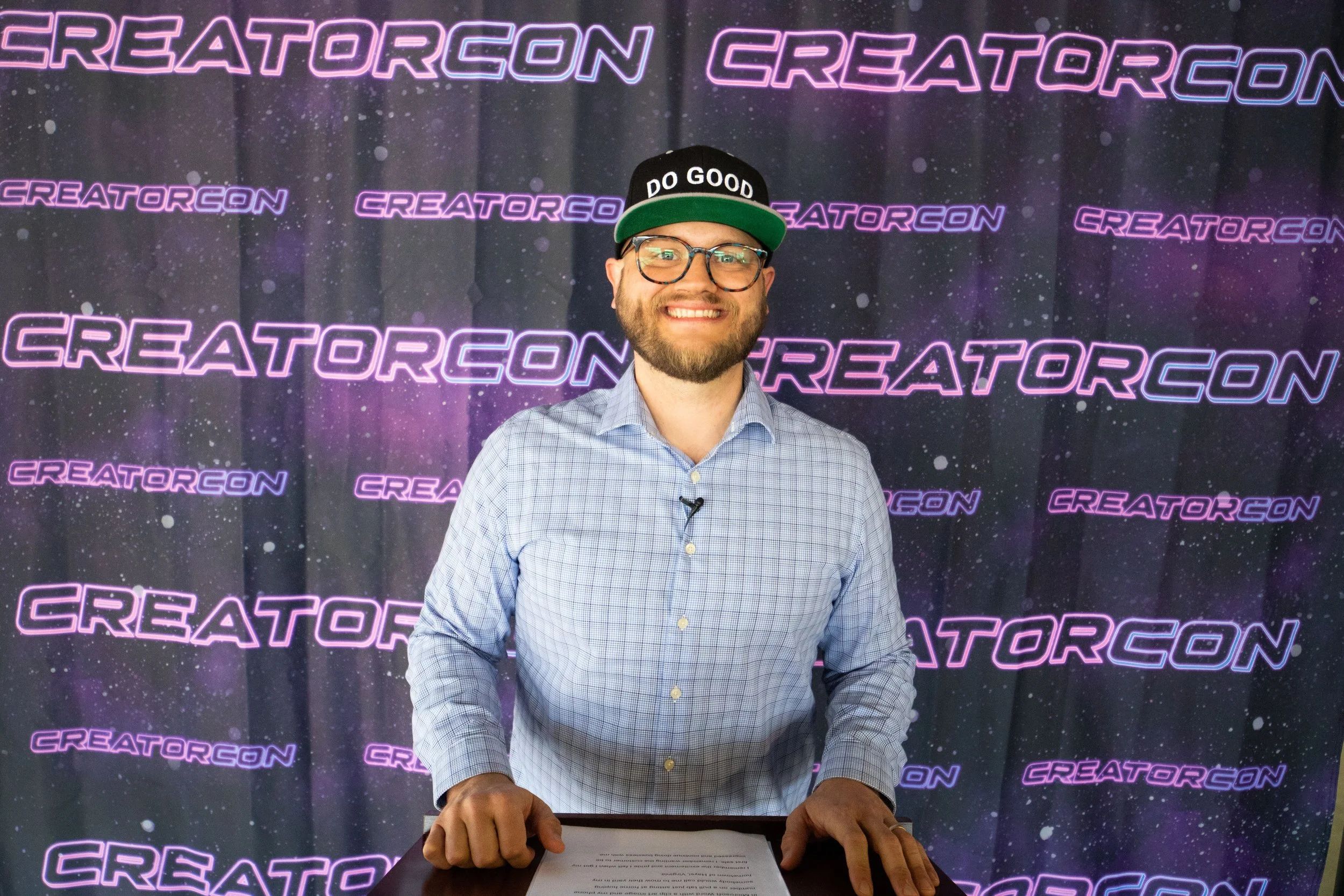
For Ryan, this work is deeply personal. “I’ve always been someone who identifies gaps — and if nobody is doing anything about them, I figure out a way to make it happen,” he says. Growing up in Appalachia, he witnessed both the creativity and resilience of local entrepreneurs and the structural barriers that often prevented them from scaling their ideas.

Over the next several years, Ryan hopes goodlync will help underserved founders think bigger, raise capital, and create jobs within their own communities. “Appalachia is a large, talented network that has largely been disconnected from itself and from the broader entrepreneurial ecosystem,” he says. “I want to change that.”
As an Invested Faith Fellow, Ryan sees his work as part of a broader movement of leaders building stronger, more connected communities. “Social enterprises are so important because at the end of the day, this work is about being good neighbors and doing good for the people around us,” he reflects. “Being among other founders and leaders who are genuinely trying to change the world — that community alone is worth so much.”