
Autumn Wiggins-Merrill
Faith and Recovery Network
Richmond, Virginia

Rev. Autumn Wiggins-Merrill
For Rev. Autumn Merrill, healing happens when people are met with compassion instead of judgment. As co-founder of Faith & Recovery Network (FRN), she works at the intersection of faith, mental health, and addiction recovery — equipping faith leaders and community organizations with practical tools to better support individuals and families facing substance use and mental health challenges. Rooted in both pastoral care and lived community experience, FRN helps bridge the gap between faith communities and recovery resources through evidence-based training, coaching, advocacy, and strategic partnerships.
About Autumn
Rev. Autumn Merrill is an ordained minister, Certified Peer Recovery Specialist (CPRS), and youth minister at First Baptist South Richmond. Her work is shaped by both personal experience and professional ministry in addiction recovery and mental health support. She believes faith communities are uniquely positioned to help reduce stigma and expand access to compassionate care.
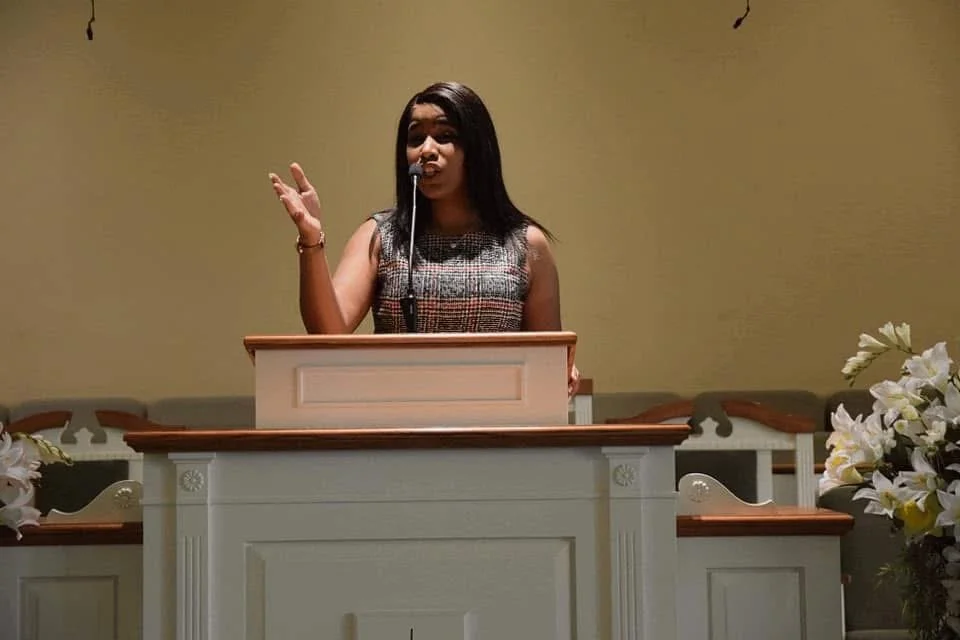
“I came to this work through both personal experiences and community experiences,” Autumn explains. “As an ordained minister and addiction and mental health professional, I’ve seen firsthand how deeply individuals and families are impacted by addiction and mental health challenges.”
That experience revealed a troubling gap: many faith leaders wanted to help but lacked the training and confidence to respond effectively.
“That gap stayed with me,” she says. “It led me to co-found Faith & Recovery Network (FRN), where our mission is to equip faith and community organizations with practical tools, education, and resources that help people feel supported rather than stigmatized.”
Faith and Recovery Network
Faith & Recovery Network is a nonprofit organization dedicated to helping faith and community organizations respond more effectively to addiction recovery and mental health challenges. FRN recognizes that mental health and substance use disorders affect every aspect of a person’s life — emotionally, spiritually, socially, and physically — and works to foster communities where people can access support without shame or isolation.
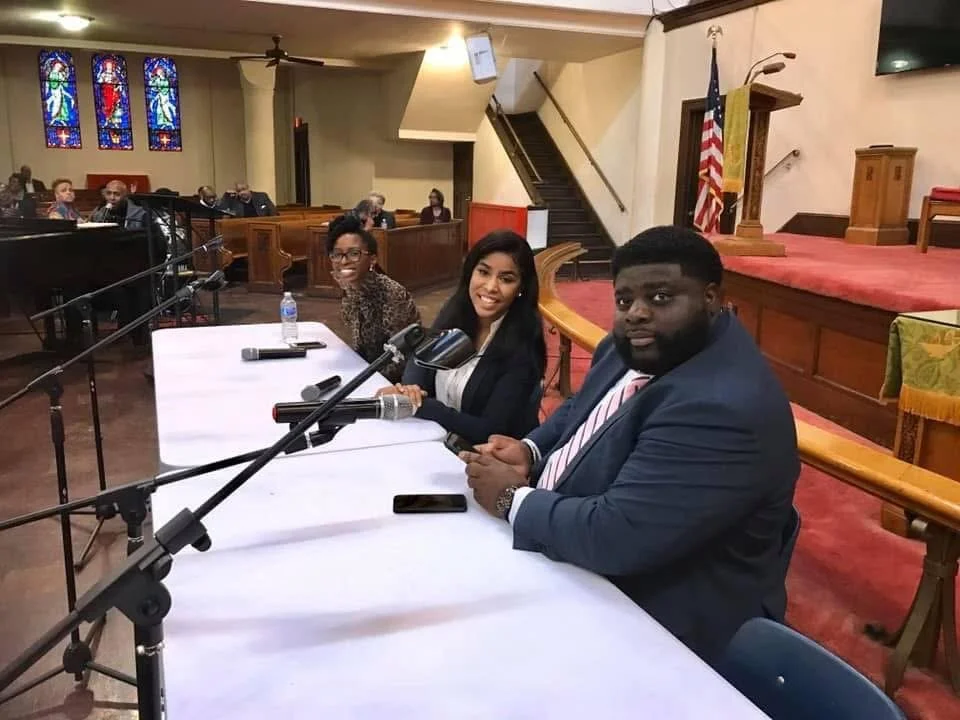
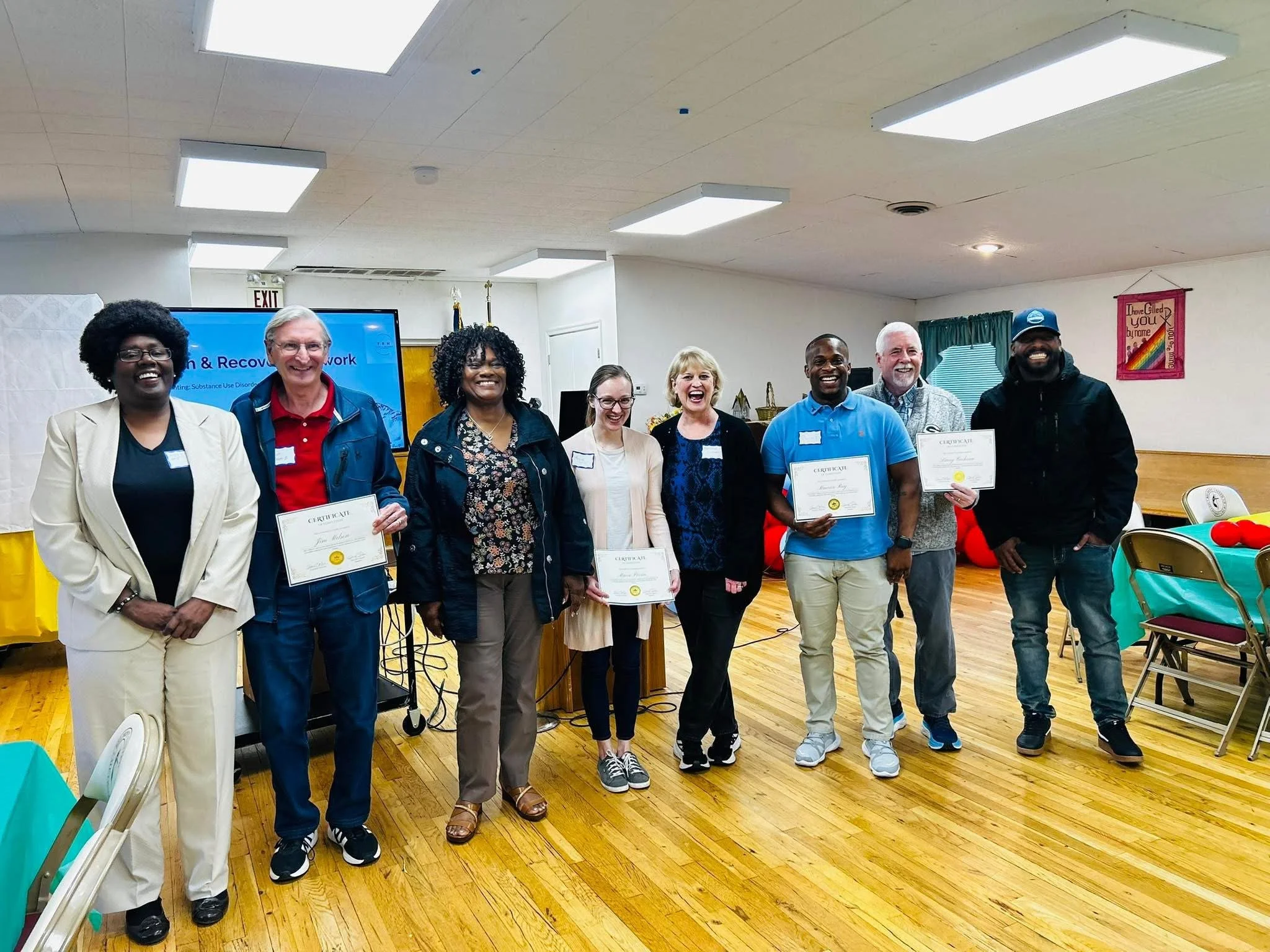
In its first year, despite limited resources, FRN trained more than 50 faith and community leaders and received recognition as a top-rated nonprofit in 2025. Through workshops, coaching, and strategic partnerships, the organization equips leaders to navigate difficult conversations surrounding mental health and addiction with compassion, dignity, and practical knowledge.
Central to FRN’s work is its S.A.F.E. framework — Support, Access, Facilitate, and Empower — which helps organizations create informed, sustainable systems of care. The organization offers free evidence-based workshops, personalized support plans, and coaching designed to help faith communities become trusted spaces of healing and connection.
Autumn hopes the work will continue changing how faith communities engage mental health and addiction recovery in the years ahead.
“In the next few years, I hope faith and community leaders feel more informed, equipped, and confident in how they support and serve individuals facing addiction and mental health challenges,” she says. “I hope we continue breaking down stigma and creating communities where people feel safe asking for help without fear of judgment.”
She envisions stronger partnerships between faith communities, treatment providers, and community organizations that make support more accessible and compassionate for everyone involved.
“Through FRN, I want to see more faith communities and organizations equipped with practical tools, stronger referral connections, and compassionate approaches that remind people they do not have to struggle alone.”
Invested Faith Fellowship
For Autumn, becoming an Invested Faith Fellow is both deeply affirming and deeply personal.
“When you are building something rooted in purpose and service, there are moments where the work can feel overwhelming, lonely, and uncertain,” she says. “This fellowship feels like both affirmation and fuel — affirmation that this work matters, and fuel to keep going even when the road feels difficult.”
She also values being connected to a broader community of leaders committed to justice, healing, and compassionate action.
“Invested Faith represents more than funding or recognition,” Autumn says. “It represents being seen. It represents being connected to people who understand the importance of creating spaces where compassion and action meet.”
At the heart of Autumn’s work is a simple but powerful belief about healing and human connection:
“The opposite of addiction is not sobriety — it’s connection.”