
Donna Loo
Laulima No Nā ʻOhana
Lihue, Kauai, Hawai’i
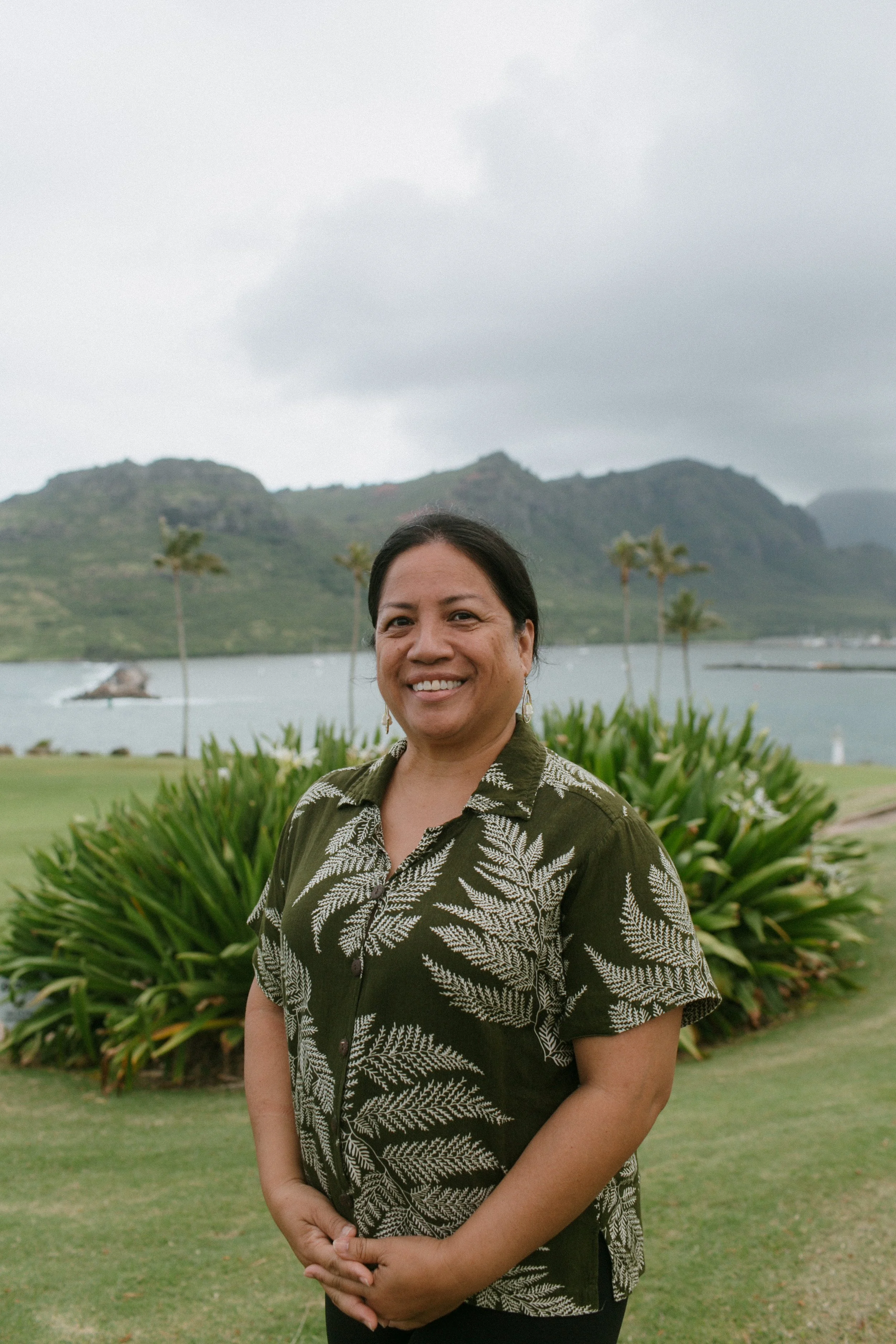
Donna Loo
In the rural island communities of Kauaʻi, where transportation barriers, isolation, and fragmented systems often leave elders without consistent support, Donna Loo is building a different model of care—one rooted in relationship, cultural connection, and collective responsibility. As Co-Founder and Executive Director of Laulima No Na ʻOhana, Loo leads a growing network dedicated to helping kūpuna (seniors) age in place with dignity, connection, and hope. The Hawaiian phrase "Laulima no nā ʻohana" translates to “ Many hands working together for the families.” Drawing on more than two decades of public service experience, she is helping reshape how communities care for elders by reconnecting support systems through faith communities, volunteers, caregivers, and culturally grounded models of mutual care.
About Donna
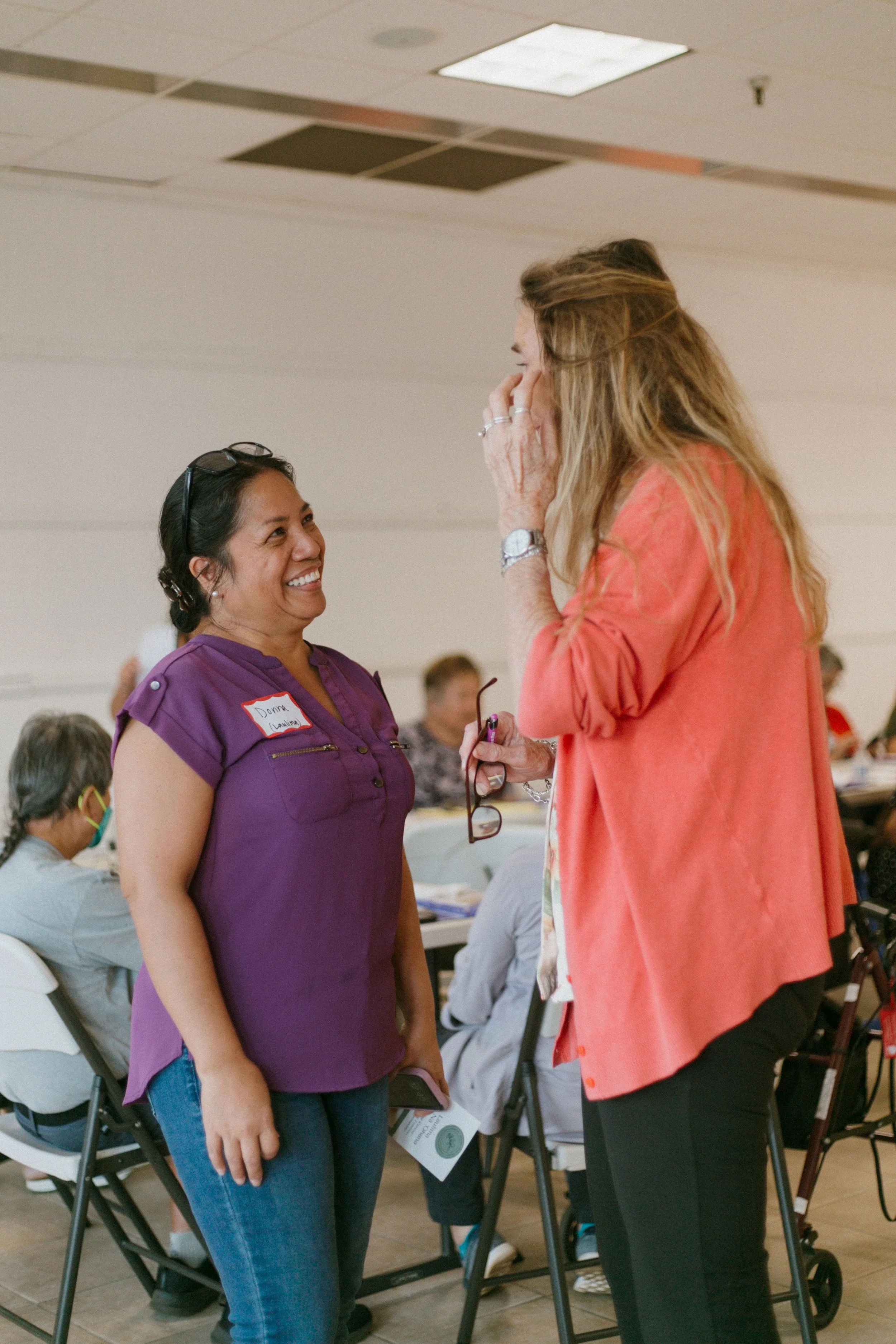
Donna Loo serves as the Co-Founder and Executive Director of Laulima No Na ʻOhana, where she oversees programs that connect elders to transportation, caregiving support, essential services, and community relationships. Her leadership is deeply informed by more than twenty years of service within Kauaʻi County government, including roles as County Assistant Executive on Aging and RSVP Director. Earlier in her career, she served for many years as an Accounting Technician, developing expertise in operations, financial systems, and long-term program management.
That combination of administrative skill and community-centered leadership has uniquely equipped Loo to build sustainable systems of care for elders and caregivers. Her work reflects a belief that aging with dignity requires more than services alone—it requires belonging, accessibility, and trusted networks of support.
Building Community-Based Care for Kūpuna
At the heart of Laulima No Na ʻOhana is the Hawaiian value of laulima—“many hands working together.” The organization was created to address the growing challenges faced by seniors and caregivers in rural island communities, where limited transportation, economic strain, geographic isolation, and gaps in healthcare access often prevent elders from remaining safely connected to their communities.
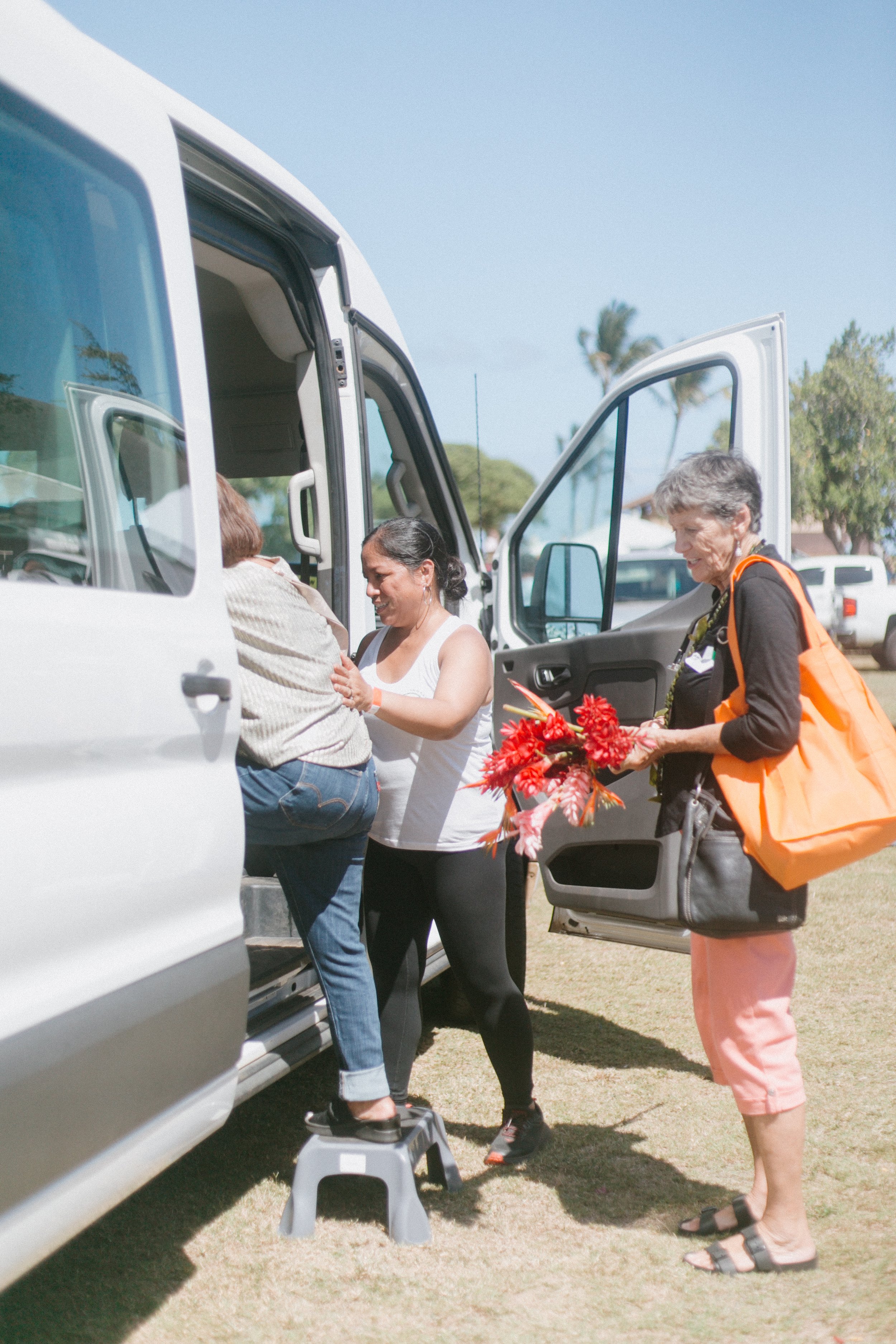
Through coordinated transportation, companionship, caregiving assistance, and resource navigation, the organization helps kūpuna remain connected to daily life, relationships, and faith communities. The work is intentionally relational rather than transactional, emphasizing long-term community infrastructure over temporary intervention.
Loo describes the systemic challenges clearly: “In rural island communities like Kauaʻi, unjust systems manifest as lack of transportation, fragmented services, economic vulnerability, and over reliance on emergency medical systems for nonemergent needs, burdens that disproportionately impact low-income elders and caregivers. Our work disrupts these patterns by creating community based alternatives that reduce systemic strain and restore agency to seniors.”

Rather than relying solely on institutional systems, Laulima No Na ʻOhana is helping rebuild local networks of care through volunteers, congregations, and neighborhood partnerships. The organization currently works with a network of more than fifty volunteers who provide transportation, companionship, and practical support to elders throughout the community.
The initiative also draws inspiration from culturally grounded and community-based models such as the Village Movement, re-centering aging support within trusted community relationships instead of disconnected bureaucratic systems. By strengthening caregiver support and improving access to services, the organization not only assists elders directly but also reduces pressure on emergency systems and healthcare infrastructure.

Photo by Karsten Winegeart
Under Loo’s leadership, the organization is developing a sustainability model that combines grant funding, faith-based partnerships, service contracts, and earned revenue connected to care coordination, training, and resource navigation. The goal is not simply to provide services today, but to create a durable, replicable framework for aging in place that can sustain communities for years to come.
In a society where elders are often overlooked or isolated, Donna Loo’s work insists on a different vision: one where kūpuna remain visible, connected, valued, and supported through the shared strength of community.