
A. Damian Curd
The Rooted Path™
Indianapolis, Indiana
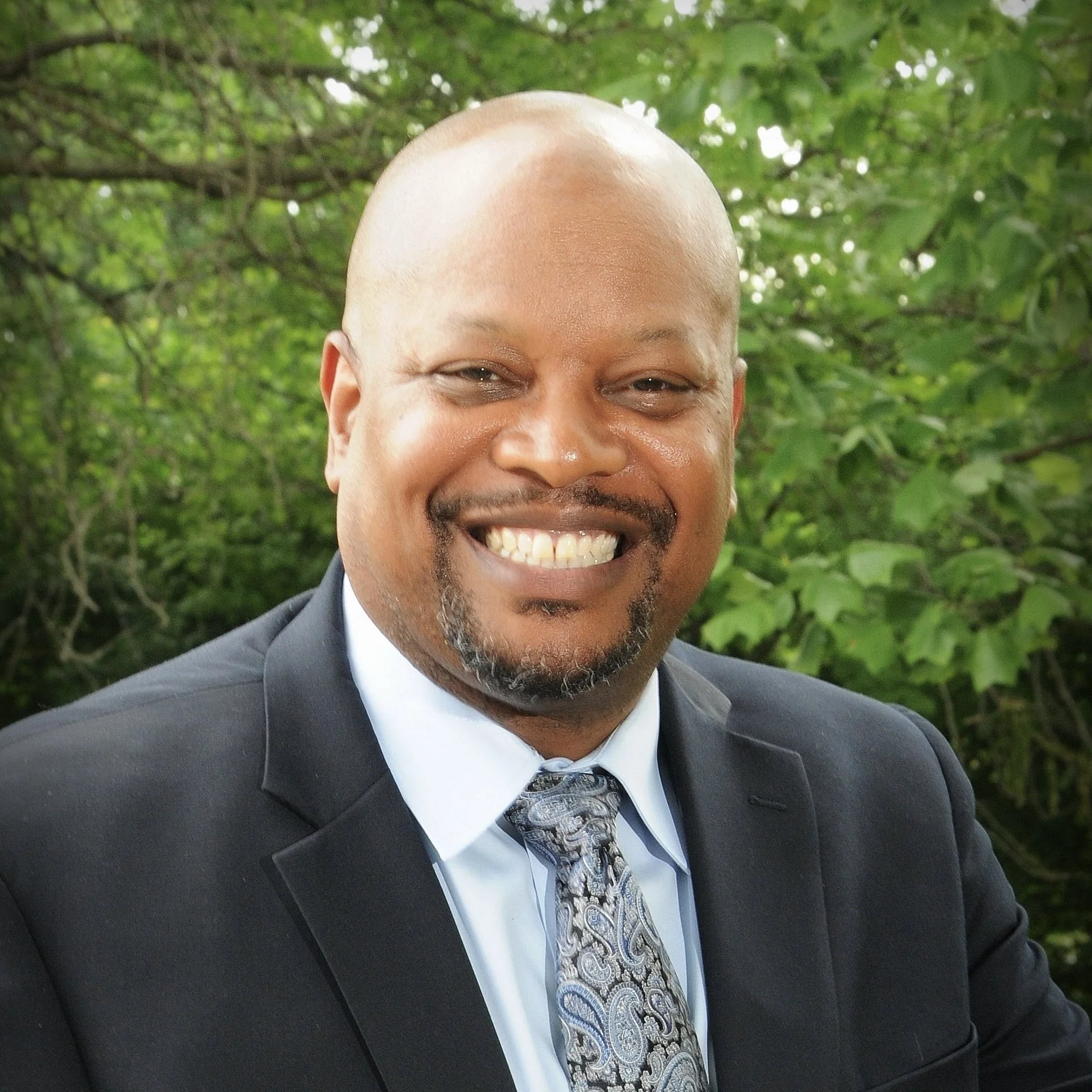
Armon (A. Damian) Curd is developing The Rooted Path™, a nine-step congregational formation framework that helps faith communities recognize and steward the gifts, relationships, physical assets, and spiritual capacity they already possess. Supported by ClearPath Intelligence™ and a discovery process called GiftScape™, the framework enables congregations to build greater self-awareness, strengthen their sustainability, and serve more effectively within the communities God has already placed them in.
About Armon
Armon is an executive leader with more than 20 years of experience in customer care and contact center operations across highly regulated industries, including utilities, insurance, and banking. A former bank senior vice president, he has led large-scale operational transformations that bring people, processes, and technology together to create accountable, high-performing service systems.
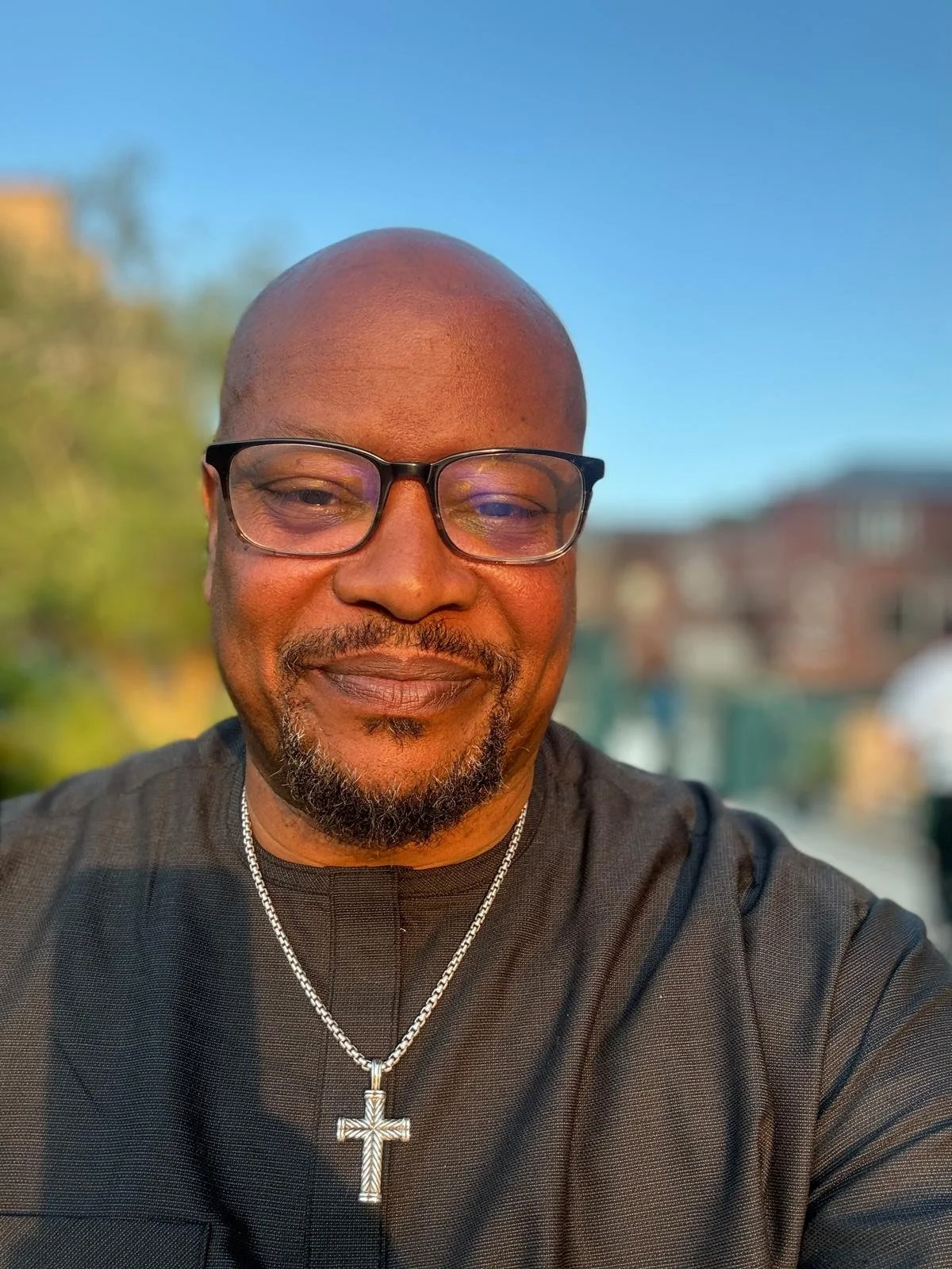
His expertise includes workforce management, vendor accountability, quality governance, and multichannel customer experience. Through The Rooted Path™, Armon applies this systems-level experience to the challenges facing congregations—helping them identify what they hold, preserve institutional knowledge, strengthen decision-making, and build the internal capacity needed for sustainable community impact.
Armon’s path to this work began during a period of personal and professional reevaluation.
“I spent most of my career building and running large scale contact centers, including at the executive level. It was work I was good at, but a season of real depletion forced me to slow down and ask what I actually believed about how change happens. My mother pointed me toward something small at the time, a way of mapping what a community already has instead of starting from what it lacks. That shift, asset first instead of need first, never left me.”
Another formative influence began years earlier in Indianapolis, where Armon met Turner Fair and encountered a more expansive telling of African history.
“Years earlier, a man named Turner Fair had already planted something related without either of us knowing it yet. I met him in the basement of his home in Indianapolis, where he taught African civilizational history, empires, trade networks, and intellectual traditions going back five thousand years, using a map he had made himself. I kept that map for thirty years. In 2025, after a trip to Zanzibar, Tanzania, I pulled it back out, and within weeks Beyond 400™ was born, a framework that helps Black congregations reconnect with a story of brilliance and abundance before they are ever asked to map what they carry.”
“The Rooted Path™ is what happened when I finally had language for something I had been circling my whole career, that most communities, and most congregations, are not short on resources so much as they have never been given a structured way, or a true enough story, to see and hold what they already carry.”
The Rooted Path™
The Rooted Path™ begins with a different question. Rather than asking congregations what they lack or which new program they should pursue, it helps them see what God has already placed within their communities.
The nine-step framework begins with abundance rather than deficit and with patient attention rather than immediate action. Congregations move through a process of asset mapping, gift discovery, and opportunity mapping before turning toward outward mission. This creates space for members to recognize overlooked abilities, relationships, facilities, stories, and spiritual strengths—and to consider how those resources might be stewarded in service to their neighbors.
“For generations, the church has been the backbone of Black and low-income communities. It has absorbed pain, provided meals, buried the dead, and raised the next generation. But it has done all of this without a formation infrastructure. Without one, congregations cannot see their own assets clearly enough to steward them, report on them, or leverage them for sustainable community impact.” This makes them invisible to funders, dependent on outside expertise, and vulnerable to programs that extract energy without building capacity.
GiftScape™ guides the discovery process, helping congregations map their gifts, relationships, physical assets, and spiritual capacity. ClearPath Intelligence™ then serves as a structured intelligence layer that captures, organizes, and preserves what the congregation learns. Rather than allowing important knowledge to remain with a few individuals—or disappear when leaders leave—the digital tool helps make that knowledge accessible and durable.
Together, GiftScape™ and ClearPath Intelligence™ create more than a temporary initiative or stand-alone program. They provide an ongoing formation infrastructure through which congregations can understand themselves more clearly, make stronger decisions, communicate their value, and sustain their work over time.
The Rooted Path™ is grounded in the conviction that many congregations already possess meaningful resources for community transformation. What they often lack is a way to see those resources collectively, preserve what they learn, and connect their strengths with opportunities for service. By building that capacity from within, the framework helps churches become less dependent on outside expertise and better equipped to pursue mission rooted in their own people, place, and calling.
What it means to be an Invested Faith Fellow
For Armon, becoming an Invested Faith Fellow is both an investment in The Rooted Path™ and an experience of the asset-first approach at the heart of the framework.
“Invested Faith is the first organization to actually see what I am building, not just hear a pitch for it. That distinction matters more than I can easily put into words. Before this, The Rooted Path™ existed mostly in my own conviction and in whatever room I could get into one relationship at a time. Invested Faith took the time to actually listen, asked real questions, gave honest feedback, and then chose to invest, not because the scale of this was already proven, but because they recognized something real in what was already there. That is the exact posture this whole framework asks of everyone else. I do not take it lightly that the first people to extend it to me this fully are the people now funding the work.
Being a Fellow means I am not building this alone in a room anymore. I am part of a network of people doing faith rooted work who understand that relationship, not the size of a check, is what actually sustains this over time.”